

Digital Identity: A Complete Guide to Definition, Components, Benefits, and Best Practices
A digital identity is the collection of information that represents an individual, organization, or device in the digital world. It includes credentials, personal information, account details, authentication methods, and online activities that enable secure access to digital services and systems.
As online services continue to expand, digital identity has become essential for banking, healthcare, education, government services, e-commerce, social media, and workplace applications. This guide explains what digital identity is, how it works, its key components, benefits, applications, challenges, and best practices.
What Is Digital Identity?
Definition of Digital Identity
Digital identity is the electronic representation of a person, business, or device that allows it to be recognized and verified within digital systems. It consists of identifiers and authentication methods that help confirm identity when accessing online services.
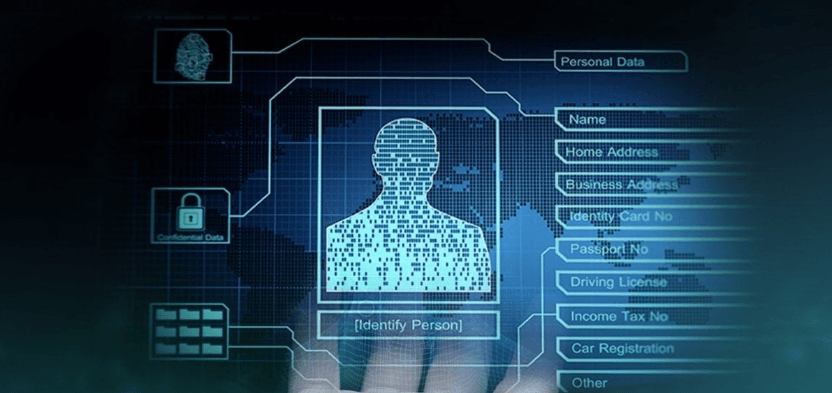
A digital identity can include usernames, email addresses, biometric data, digital certificates, authentication tokens, and other verified credentials.
How Does Digital Identity Work?
Identity Creation
A user creates a digital identity by registering with an online service or organization and providing the required information.
Identity Verification
The service verifies the user’s identity using methods such as document verification, email confirmation, phone verification, or biometric authentication.
Credential Issuance
After verification, the system provides credentials such as usernames, passwords, digital certificates, or security tokens.
Authentication
Whenever users access the service, they authenticate using one or more approved methods.
Authorization
Once authenticated, the system determines what resources and actions the user is permitted to access.
Components of a Digital Identity
Personal Information
Basic identifying details such as name, date of birth, and contact information, when required.
Login Credentials
Usernames, passwords, passkeys, or authentication tokens used for account access.
Biometric Information
Fingerprint, facial recognition, iris scan, or other biometric characteristics used for identity verification.
Digital Certificates
Electronic credentials used to verify the authenticity of users, devices, or organizations.
Security Settings
Multi-factor authentication, recovery options, and account protection features.
Activity Records
Authentication logs and account activity that help improve security and detect unusual behavior.
Key Features of Digital Identity
Secure Authentication
Verify user identity before granting access to digital services.
Identity Verification
Confirm that a person is who they claim to be using trusted verification methods.
Access Control
Allow users to access only the resources they are authorized to use.
Multi-Factor Authentication
Combine multiple authentication methods to strengthen account security.
Cross-Platform Access
Enable secure access across multiple devices and digital services.
Identity Management
Allow users and organizations to manage credentials, permissions, and account settings.
Benefits of Digital Identity
Enhanced Security
Strong identity verification helps reduce unauthorized access.
Convenient Access
Users can securely access digital services from multiple devices.
Improved User Experience
Modern authentication methods simplify account access while maintaining security.
Better Fraud Prevention
Identity verification helps reduce identity theft and unauthorized account use.
Efficient Digital Services
Organizations can securely provide online services with streamlined user authentication.
Applications of Digital Identity
Online Banking
Secure customer authentication for account access and financial transactions.
Healthcare
Provide authorized access to electronic health records and medical services.
Government Services
Enable secure access to digital public services and citizen portals.
Education
Allow students and staff to access learning platforms and educational resources.
Workplace Systems
Manage employee access to business applications and internal networks.
E-commerce
Verify customers during account creation, purchases, and payment processes.
Challenges of Digital Identity
Privacy Concerns
Organizations must protect personal information and use it responsibly.
Identity Theft
Cybercriminals may attempt to steal credentials or impersonate legitimate users.
Data Breaches
Unauthorized access to identity information can expose sensitive data.
System Compatibility
Different organizations may use different identity standards and authentication methods.
Tips for Managing Your Digital Identity
Use Strong Passwords
Create unique, complex passwords for each online account.
Enable Multi-Factor Authentication
Add an additional layer of security beyond passwords whenever available.
Monitor Account Activity
Regularly review login history and security alerts for unusual activity.
Keep Personal Information Updated
Maintain accurate account information to support identity verification and account recovery.
Protect Sensitive Information
Avoid sharing personal or authentication information through untrusted channels.
Review Privacy Settings
Check account privacy options and adjust them according to your preferences.
Best Practices for Digital Identity Security
Keep Software Updated
Install updates for operating systems, browsers, and applications to reduce security risks.
Use Secure Networks
Access sensitive accounts over trusted and secure internet connections.
Be Alert to Phishing Attempts
Verify emails, messages, and websites before entering login credentials.
Use Password Managers
Store and manage strong passwords securely with a trusted password manager.
Review Account Permissions
Regularly check which applications and devices have access to your accounts.
Advantages of Digital Identity
Secure Online Access
Authenticate users efficiently while protecting sensitive information.
Simplified Account Management
Manage multiple services with consistent identity verification methods.
Improved Trust
Verified identities help establish confidence between users and service providers.
Support for Digital Transformation
Enable secure access to modern online services across industries.
Frequently Asked Questions
What is a digital identity?
A digital identity is the electronic representation of an individual, organization, or device that is used to verify identity and enable secure access to digital services.
Why is digital identity important?
Digital identity helps protect online accounts, supports secure authentication, reduces fraud, and enables access to a wide range of digital services.
What information can be part of a digital identity?
A digital identity may include usernames, email addresses, passwords, biometric data, digital certificates, authentication methods, and account settings.
How can I protect my digital identity?
Use strong passwords, enable multi-factor authentication, keep software updated, monitor account activity, and avoid sharing sensitive information with untrusted sources.
Is digital identity only for individuals?
No. Organizations, businesses, devices, applications, and connected systems can also have digital identities that enable secure communication and authentication.
Conclusion
Digital identity is a fundamental part of today’s connected world, enabling secure access to online services while protecting users, organizations, and devices. By combining reliable identity verification, secure authentication methods, and strong security practices, digital identities support everything from online banking and healthcare to education and workplace systems. As digital services continue to expand, understanding and protecting your digital identity is essential for maintaining privacy, security, and trust in the digital environment.
